RV Winterization in Florida: What You Actually Need to Do Here
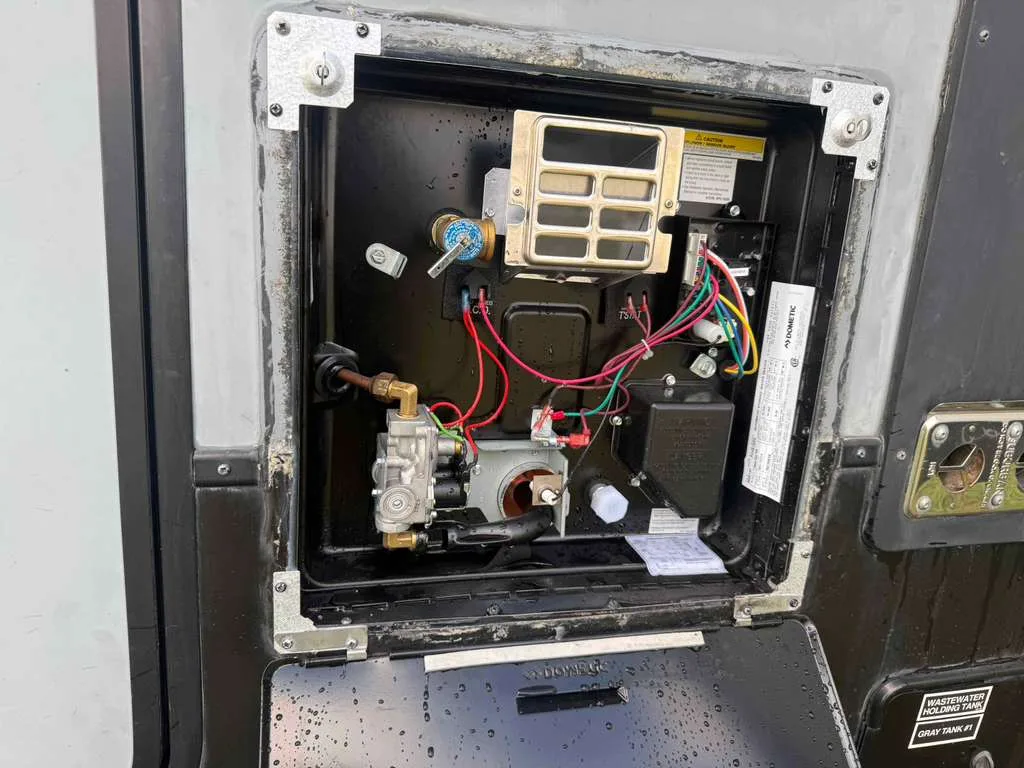
Florida winterization is not what northern guides describe, and following their approach wastes time on things you do not need to do while missing the two things that actually matter here. A cold snap below thirty-eight degrees can crack a water heater tank or a supply line in an uninsulated compartment. Protecting those two things is the Florida winter procedure - everything else in this climate is preventive rather than essential.
Why Florida winterization is not what northern guides describe
Northern winterization involves blowing the entire plumbing system with compressed air or filling it with antifreeze, draining the water heater, and putting the coach into storage for three to five months. None of those steps are necessary in Florida unless the coach will be unused for an extended period.
Florida has two to four cold snaps per year that bring temperatures below forty degrees at night, typically between December and February, and they last one to three days. That is not long enough to freeze a water heater tank that has mass and insulation around it, but it is long enough to crack a supply line in an uninsulated through-hull fitting or in a basement compartment where the floor insulation does not extend to the plumbing lines.
The practical Florida winterization is targeted: identify the vulnerable points in your specific coach's plumbing layout, protect those during cold snaps, and leave the rest of the system operating normally through the winter. A coach that is lived in or used regularly through Florida winter needs no blow-out procedure.
A coach that will sit unused for an extended period - three months or more - does benefit from a full plumbing drain, but that is storage preparation rather than winterization, and the procedure is the same whether it is winter or summer.
What cold snaps actually do to RV plumbing in Florida
Water expands when it freezes, and the plastic fittings, PVC lines, and polyethylene tubing used in RV plumbing do not have the same freeze tolerance as copper pipe does in a house. A line that freezes solidly will usually crack the fitting at the ice column's endpoint because that is where pressure concentrates when the ice expands.
The vulnerable locations on most coaches are the supply lines in the basement compartment, the lines in the water heater compartment if it is on an exterior wall, the water pump and its adjacent supply, and the freshwater inlet and fill port where the line transitions through the exterior skin. These are all locations where insulation is partial or absent.
A cold snap that bottoms out at thirty-six degrees and stays there for six hours is enough to freeze a supply line in a compartment that is open at the bottom and has cold air moving through it. The same temperature with the compartment doors closed and a small heat source inside will typically not freeze anything.
The freeze protection does not need to be dramatic. A fifty-watt incandescent bulb inside the basement compartment where the pump is located is enough heat to keep the space above freezing during a typical Florida cold snap. Keeping the water moving by running a faucet at a trickle is the other simple protection during an overnight event.
How to protect your water heater when temperatures drop below forty
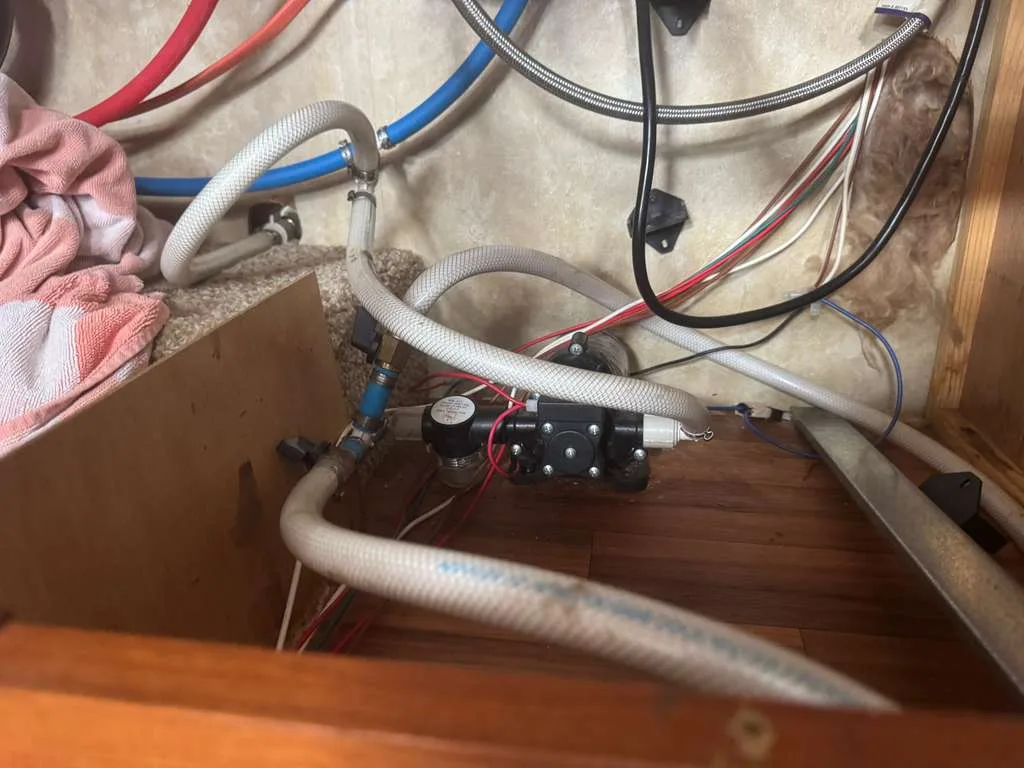
Keep the water heater on during the cold snap. An electric or propane water heater that is running maintains the tank at a set temperature and the small amount of heat it generates warms the immediate compartment area. A water heater that is turned off is a tank of cold water at ambient temperature, which is much more vulnerable to freezing than a tank at a hundred and twenty degrees.
If the water heater is on a direct exterior wall in a compartment with limited insulation - common on Class A motorhomes - add a small heat pad or tape specifically rated for plumbing to the supply and return lines at the point where they leave the coach framing. That is the transition point where the lines are most exposed and where freeze damage is most common.
An electric water heater tank with a failed anode rod is at higher risk than a healthy one, because the corrosion that results from a failed anode weakens the tank wall. A tank that would survive a freeze event with intact walls may not survive with a wall that has been thinning from corrosion. Checking the anode rod annually is a maintenance item that has freeze resilience as a side benefit.
Our plumbing service page covers water heater anode inspection and replacement. It is the most commonly deferred maintenance item on RV water heaters, and it is the one that determines tank life more than any other single factor.
What a Florida winter does to the battery bank if you are not using the coach
Florida's winter temperatures are well within the range where lead-acid batteries self-discharge at their normal rate, which is about one to three percent per week at sixty-five degrees. A coach that sits for six weeks without being charged will have a battery bank that is significantly discharged, and a discharged lead-acid battery left for months will sulfate.
The simple prevention is a trickle charger or a solar maintainer connected to the house battery bank during storage. Either one keeps the bank at float charge without overcharging it, and that is the condition that extends battery life most effectively. A bank that is cycled down and left is the condition that shortens it.
Disconnect the chassis battery if the coach has a separate one and will be in storage for more than four weeks. The chassis battery typically does not have a solar maintainer connected to it, and a battery that self-discharges to zero in storage and is then load-tested by a jump-start has typically lost significant capacity.
Florida's mild winter temperatures mean cold-weather battery capacity loss is not a concern the way it is for coaches stored in freezing conditions. The concern is purely self-discharge over time, which is managed by maintaining the charge rather than by any temperature-related procedure.
Why LP system care over a Florida winter matters even when temperatures stay mild
Because the LP system includes a rubber regulator diaphragm that hardens gradually and rubber supply hoses that degrade even at ambient temperatures, and a system that goes unused for several months and then is expected to perform on demand may have a regulator that is past its best condition.
Run the LP appliances briefly once a month during winter storage if the coach is not being used. This cycles the regulator and the valves, keeps the diaphragm from taking a set position, and confirms the system is still functioning before you need it on a trip. Discovering a regulator problem when you are somewhere without service access is a worse situation than discovering it at home.
Inspect the LP supply hose that runs from the regulator to the coach at the start of each season. The exterior hose is exposed to UV and ozone in Florida year-round, and it degrades faster than the interior lines. A hose that has surface cracking or feels brittle when you bend it gently should be replaced before the season begins.
A propane tank that is partially filled and left in Florida's winter storage benefits from being stored at a comfortable fill level rather than near-empty. A very low tank loses its internal pressure protection against air infiltration at the regulator valve, which can introduce moisture into the regulator and cause problems on the first use of the season.
How the AC acts as a dehumidifier when temperatures are cool
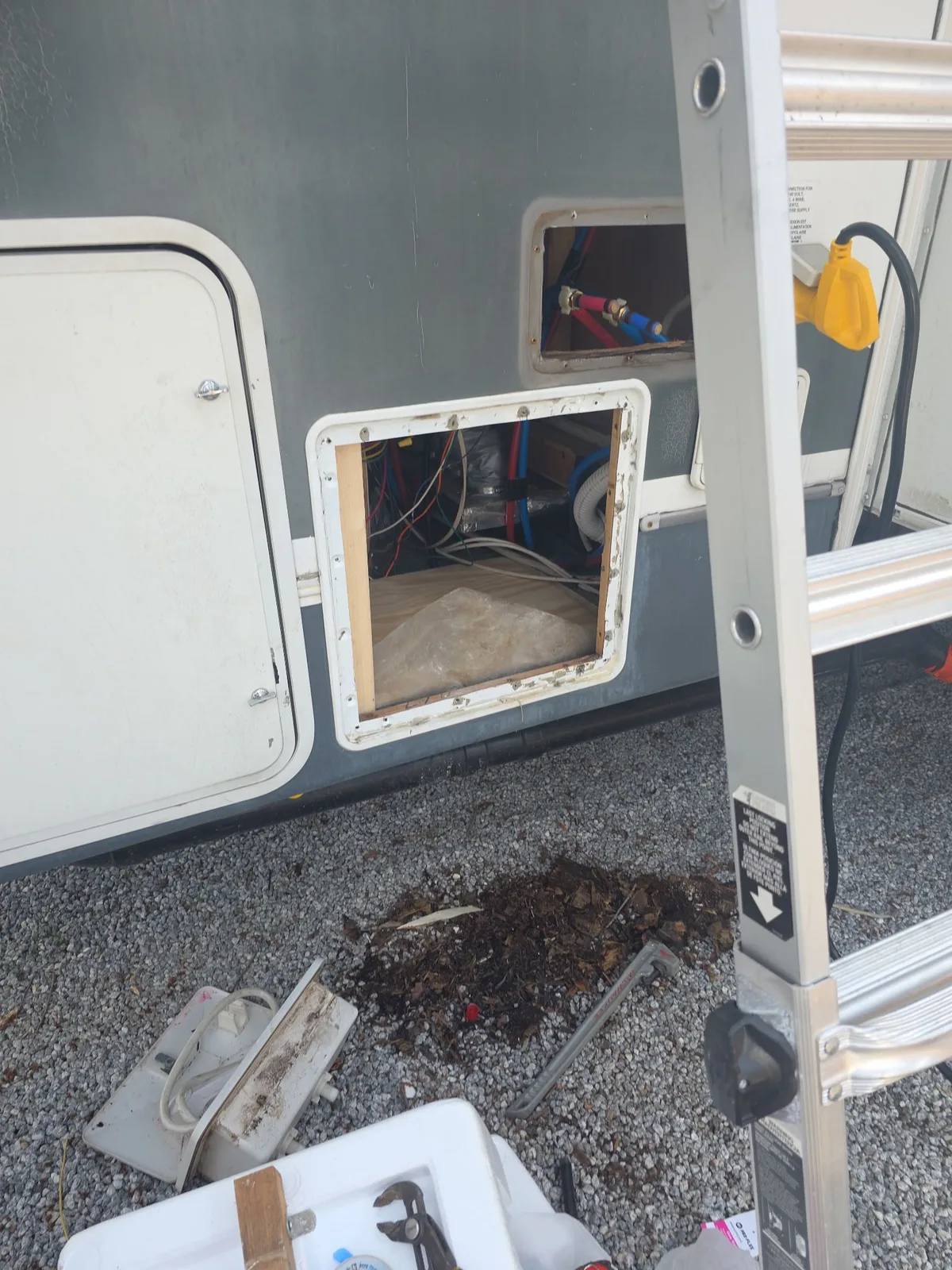
Running the AC in cool weather sounds counterintuitive, but the dehumidification function works at any temperature above the unit's lower operating limit, and Florida winter's humidity can still produce interior condensation on surfaces that are below the dew point.
A coach that is closed up during Florida's dry season can still have interior humidity above sixty percent if it has absorbed moisture during the summer and has not been ventilated. At those humidity levels, interior surfaces - especially wood cabinetry, fabric and insulation - continue to hold moisture that supports mold.
Running the fan in the coach or opening vents during dry winter days is often more efficient than running the AC for dehumidification in the cooler months. The goal is to cycle the interior air with drier outside air during the periods of the day when outdoor humidity is lowest, which in Florida's winter is typically mid-afternoon.
A coach that spent the summer in Florida's humidity and is being prepared for winter storage benefits from a thorough ventilation and drying session before anything is stored inside it. Putting fabric items, clothing or food into a coach that has elevated moisture is how those items arrive at their destination with mildew.
What to check before closing a coach up for a month or more
Close all water valves and drain the supply lines to reduce the standing water in exposed sections. Draining is not the same as full winterization blow-out - you are removing water from the sections that are most exposed, not from the entire system.
Turn the water heater off and, if the compartment is on an exterior wall with limited insulation, either drain it or add supplemental heat to the compartment as described above. An electric water heater on a minimal thermostat uses very little power and prevents the freeze risk during the cold snaps that will occur while the coach is stored.
Clean the interior thoroughly before closing it, including all food surfaces and the refrigerator with the door propped open. A closed refrigerator with any residual food moisture in a Florida-humidity environment will have visible mold within weeks.
Add a battery maintainer and leave the roof vents cracked if the storage location allows it. The vents cracked one inch allow humidity to escape without allowing rain in on most vents. That small airflow through the coach reduces the interior humidity from its initial level over the storage period rather than letting it build up.
How to bring the system back up after storage
Reconnect the chassis battery first and start the engine briefly to confirm it starts and the charging system is working. Then connect to shore power or bring the solar system online before testing any house systems, because you want to know the power supply is sound before loading it.
Restore water pressure gradually. Open the freshwater inlet, turn on the pump, and let pressure build while you check under every sink, at every toilet connection, and in the water heater compartment for any sign of leakage from fittings that may have moved slightly during storage. A coach that has been stored in any temperature range can have fittings that have taken a small set and will leak slightly when pressure is restored.
Test the LP system before using it. Turn on the tank valve and check each appliance pilot or ignition in sequence, starting with the furnace since it is the most critical safety appliance. Listen for the igniter and confirm the flame establishes before moving to the next appliance.
Run the AC for thirty minutes and check that the compressor is cycling normally and that the temperature split between supply and return air is appropriate. A unit that has sat for months in Florida's humidity may have coil surface mold that reduces its output for the first few cycles until it clears. If it does not clear and the unit is still not producing normal output after an hour, the coils need cleaning.
Questions Florida RV owners ask about winterization
Do I need to put antifreeze in my Florida RV for winter?
Only if the coach will be completely unused and stored for several months without any heat protection. For a coach that is used through Florida winter or checked on regularly, targeting the specific vulnerable points - water heater compartment, pump area, and exposed supply lines during cold snaps - is sufficient without antifreeze treatment.
What temperature should I start worrying about RV pipes in Florida?
Below thirty-eight degrees Fahrenheit is when vulnerable supply line locations start to be at risk, particularly in uninsulated compartments that are exposed to moving cold air. A coach interior that is above forty-five degrees has no meaningful freeze risk regardless of outside temperature.
Should I drain my tanks before storing for a month in Florida winter?
The freshwater tank should be drained and left dry if the coach will be stored longer than two to three weeks, to prevent stagnation and bacterial growth. The gray and black tanks should be empty before storage regardless of duration - sitting tanks in any climate produce hydrogen sulfide and degrade seals over time.
My water heater makes a popping noise in the morning - is that a Florida problem?
Popping or rumbling from a water heater is sediment on the tank floor being disturbed as the water heats. In Florida's water supply areas, particularly in areas with hard water from lime-based aquifers, sediment buildup is faster than in softer water regions. Flushing the tank to remove sediment is a maintenance item that improves heating efficiency and extends tank life.
Can I leave the LP regulator connected to the tank through Florida winter?
Yes, as long as you close the service valve on the tank itself when the coach is not in use. The regulator is designed for outdoor exposure, but closing the tank valve prevents any slow seepage through the regulator in the event of a diaphragm that is beginning to wear. It is a good practice regardless of season.
Should I cover my RV during Florida winter storage?
A cover that is specifically rated for RV use and fits the coach correctly is protective. A cover that is too tight prevents air circulation and can produce higher humidity under the cover than outside it. A cover that is too loose flaps in wind and abrades the roof surface and graphics. If the coach is under a carport or in a storage facility, a cover is less important than in an open-air location.
Sources
- Dometic - product support - Seasonal maintenance and storage information for Dometic water heaters, refrigerators and climate systems used in RV applications.
- US Department of Energy - Energy Saver - Water heater efficiency and maintenance including anode rod function, which directly affects freeze resilience and tank service life.
- US EPA - mold guidance - Mold establishment conditions relevant to storage preparation for a Florida RV that has absorbed summer humidity.
- US Fire Administration - fire prevention - LP system safety relevant to storage preparation and returning a stored coach to service, including regulator and supply hose inspection guidance.